
Day 1
Patient Experiences Radiotherapy Treatment Mask
Lisa Laws
Principal Radiographer, Rosemere Cancer Centre, UK
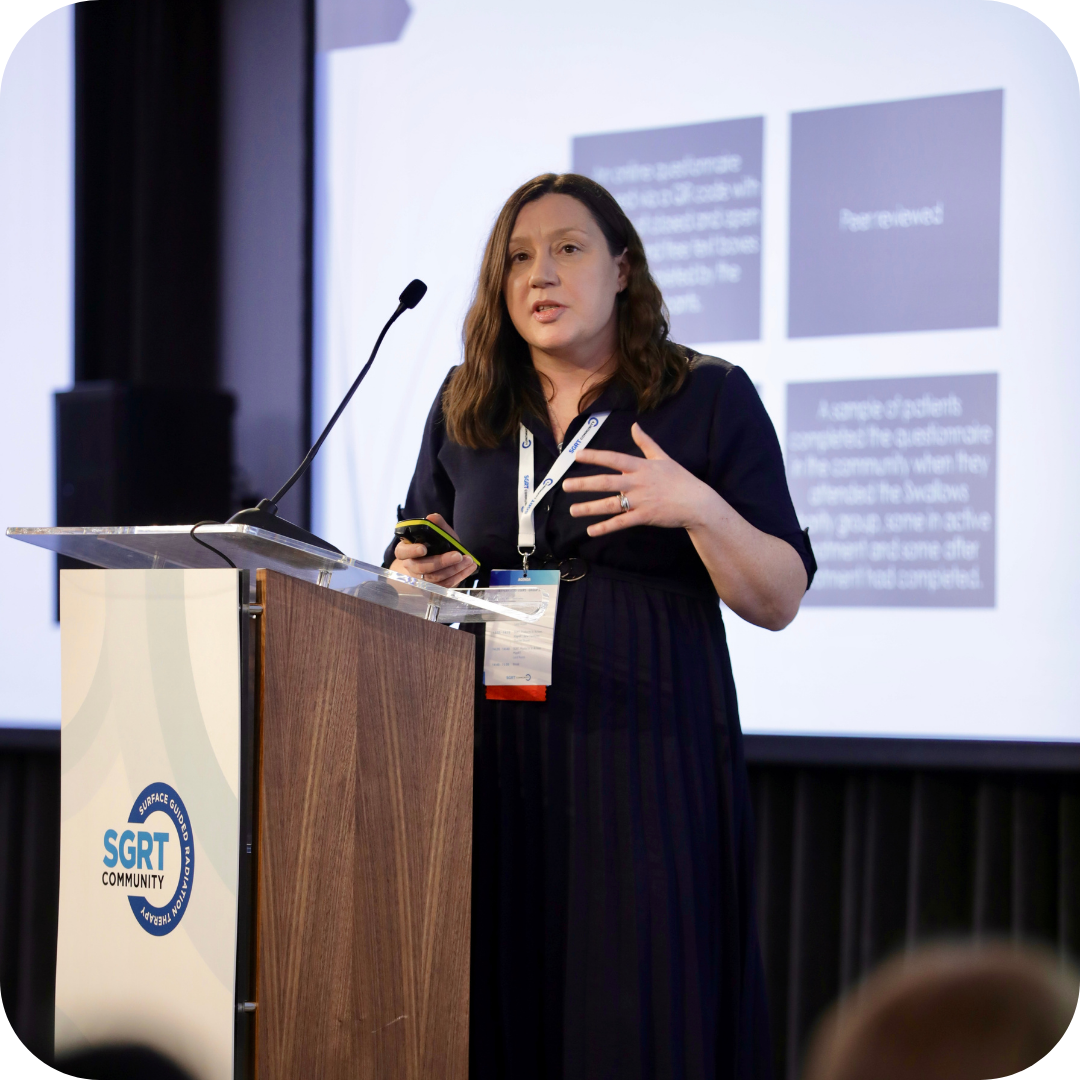
Lisa Laws, Principal Radiographer at the UK’s Rosemere Cancer Centre, presented on research – done in partnership with the Swallows charity – querying 101 patients about their experiences with closed-face masks.
“‘Fear’ is a word that comes up. Some patients even called [closed-face masks] ‘terrifying.’”.
The study found that 72% of closed-face mask patients found them “uncomfortable” and 45% were “unable to relax” while wearing the masks. They found that patients were willing to travel an average of 19.5 extra miles, if it would give them the option to be treated with an open-face mask.
“Our conclusion was that there is a consensus for immobilisation options.”
Advances in AlignRT: Enhancing SGRT Precision, Safety, and Workflow
Adi Robinson
Senior Medical Physicist, AdventHealth Celebration, Florida, USA
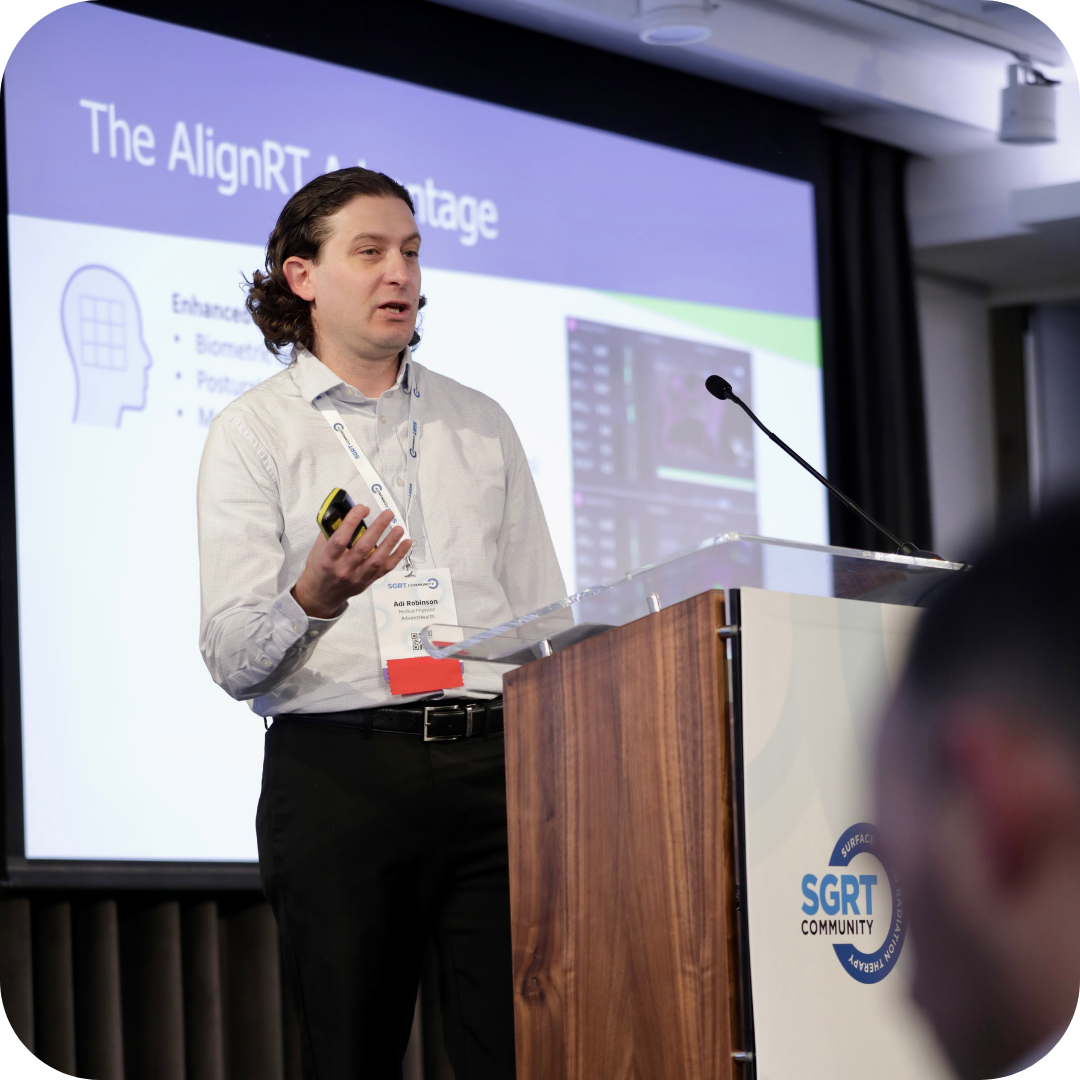
Senior Medical Physicist Adi Robinson from AdventHealth Celebration showcased the latest advancements in Surface Guided Radiation Therapy (SGRT), highlighting tools designed to improve efficiency, consistency, and patient safety. He introduced the AutoROI™ Module, which automates ROI definitions to save clinics time while producing reproducible ROI templates. Clinical examples demonstrated dramatic reductions in preparation time, from 100 seconds to 10 seconds for a left breast case, and from 105 seconds to 10 seconds for a male pelvis case. Adi also presented Beam Guide™, a tool that overlays treatment fields onto the patient, helping detect and prevent errors before radiation delivery. Therapists who tested Beam Guide™ described it as a “must-have,” noting that visualizing the plan during setup helps prevent mistakes before beam-on. Together, these innovations highlight how SGRT continues to enhance workflow efficiency and patient safety.
Adding Value with MapRT API Tools
Michael Tallhamer, DABR
Chief of Radiation Physics, AdventHealth Parker, Colorado, USA
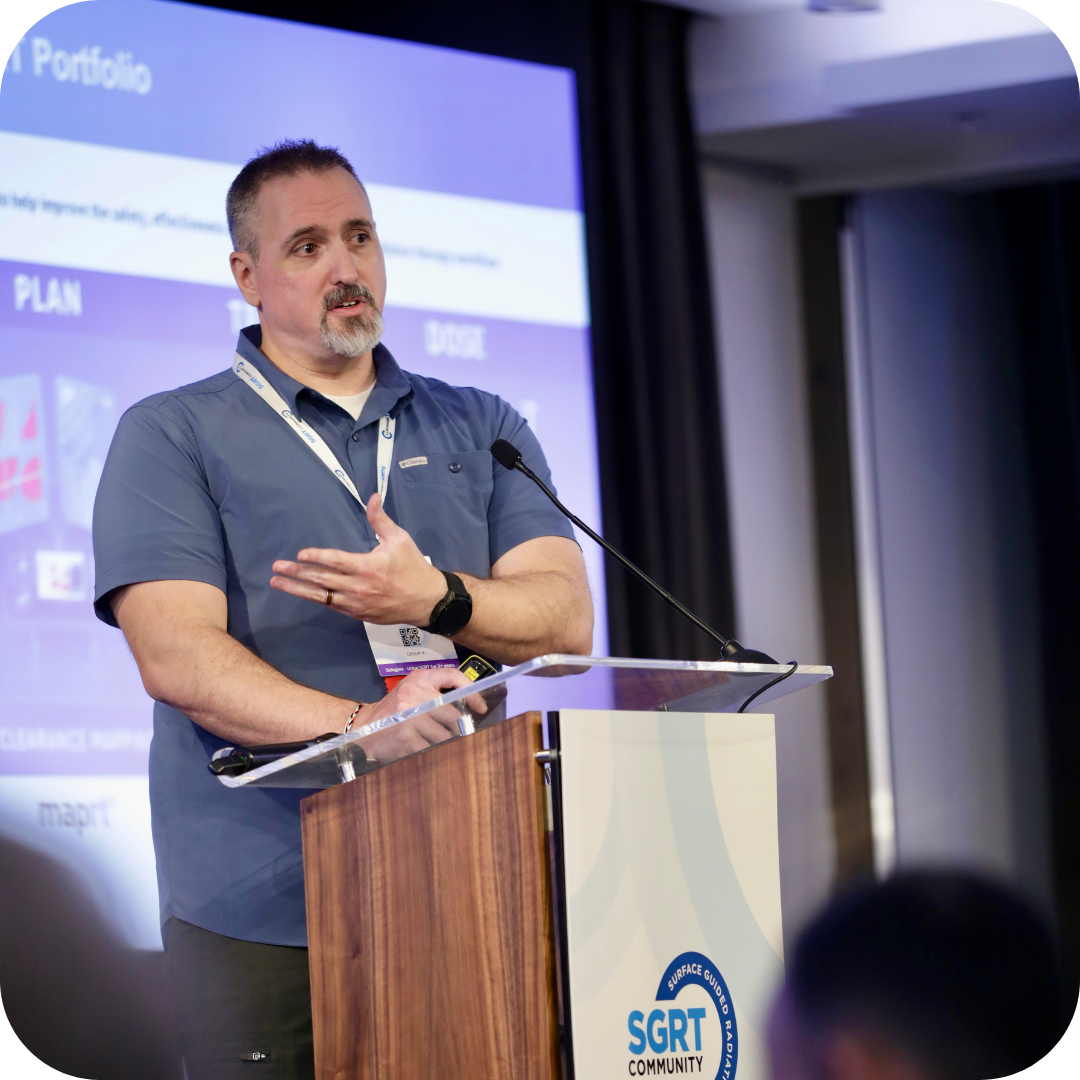
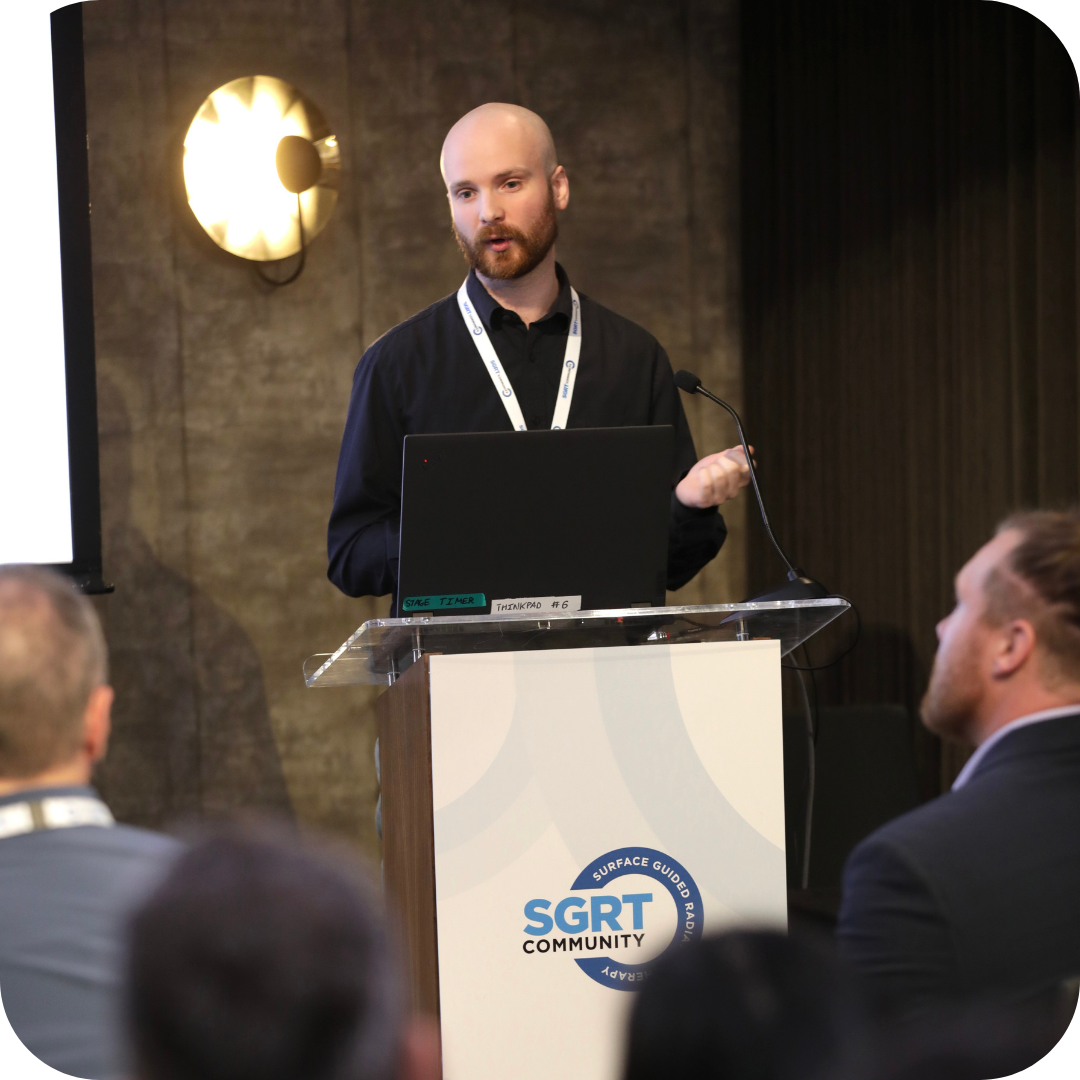
Michael Tallhamer, DABR, Chief of Radiation Physics at AdventHealth Parker, Colorado, presented on how scripting with MapRT’s new API can enhance workflow efficiency, quality, and safety. “Scripting can increase the fluidity of those CBCT workflows,” he noted, highlighting how the API allows users to rapidly evaluate plan context during planning. At AdventHealth, the API also enables the dynamic generation of collision maps, letting teams explore alternate solutions for failing fields and reducing planning time by more than 30 minutes.
Automating Patient Data from OIS to SimRT
Erik Fura
Medical Physicist Västerås Hospital, Sweden
Erik Fura, Medical Physicist at Västerås Hospital in Sweden, shared a practical workflow for automating patient data transfer from Aria to SimRT, addressing challenges posed by firewalls between the systems. Using a combination of scripting and SQL queries, the process allows clinics to efficiently extract patient information from the OIS, transfer it securely to the SimRT workstation, and import it into the simulation software. This approach not only streamlines the workflow but also reduces manual data entry and the potential for errors.
Day 2
SRS Brain and Beyond…Our Journey with Vision RT and Elekta
Leanne McNamara
Clinical Specialist Radiation Therapist, Galway University Hospital, Ireland
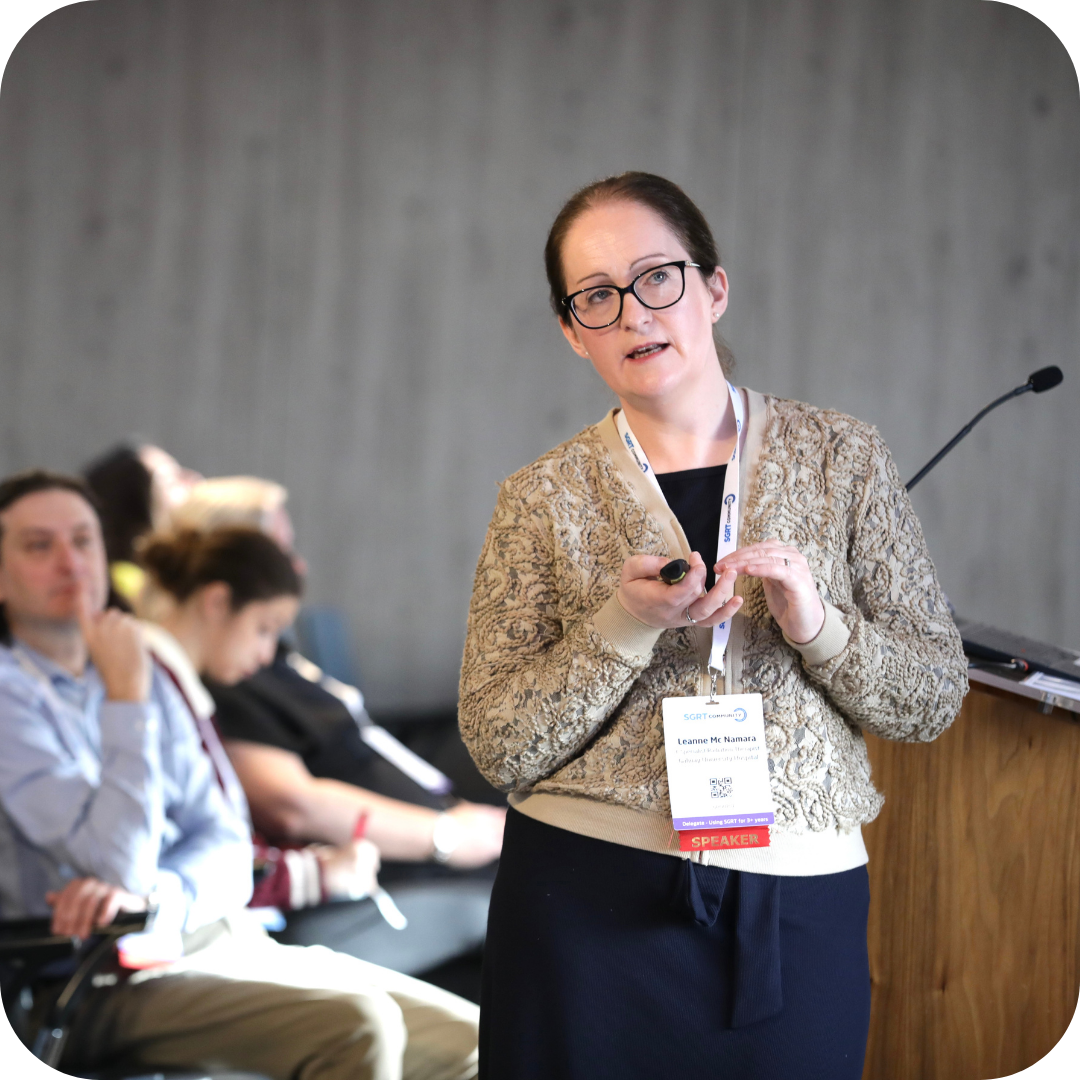
Leanne McNamara presented her team’s work implementing SGRT for SRS and expanding its use to Head & Neck patients. In 2025, the department introduced open-face shells with AlignRT to improve comfort and accuracy.
A key driver was poor access to advanced stereotactic treatments. Many patients were unable or unwilling to travel long distances, leaving them with less effective options. One patient shared, “I am not able to face going to the other side of the country for treatment.”
To address this, the team created a dedicated SRS service with full multidisciplinary involvement. This pathway now allows patients to receive advanced treatment locally, making a significant difference to outcomes.
As confidence grew, CBCT usage decreased, streamlining workflow.
Departmental Comparison of AlignRT and Postural Video Versus AlignRT Alone
Daniel Holt
Principal Operations Radiographer and Centre Manager, The Christie at Macclesfield Radiotherapy, UK
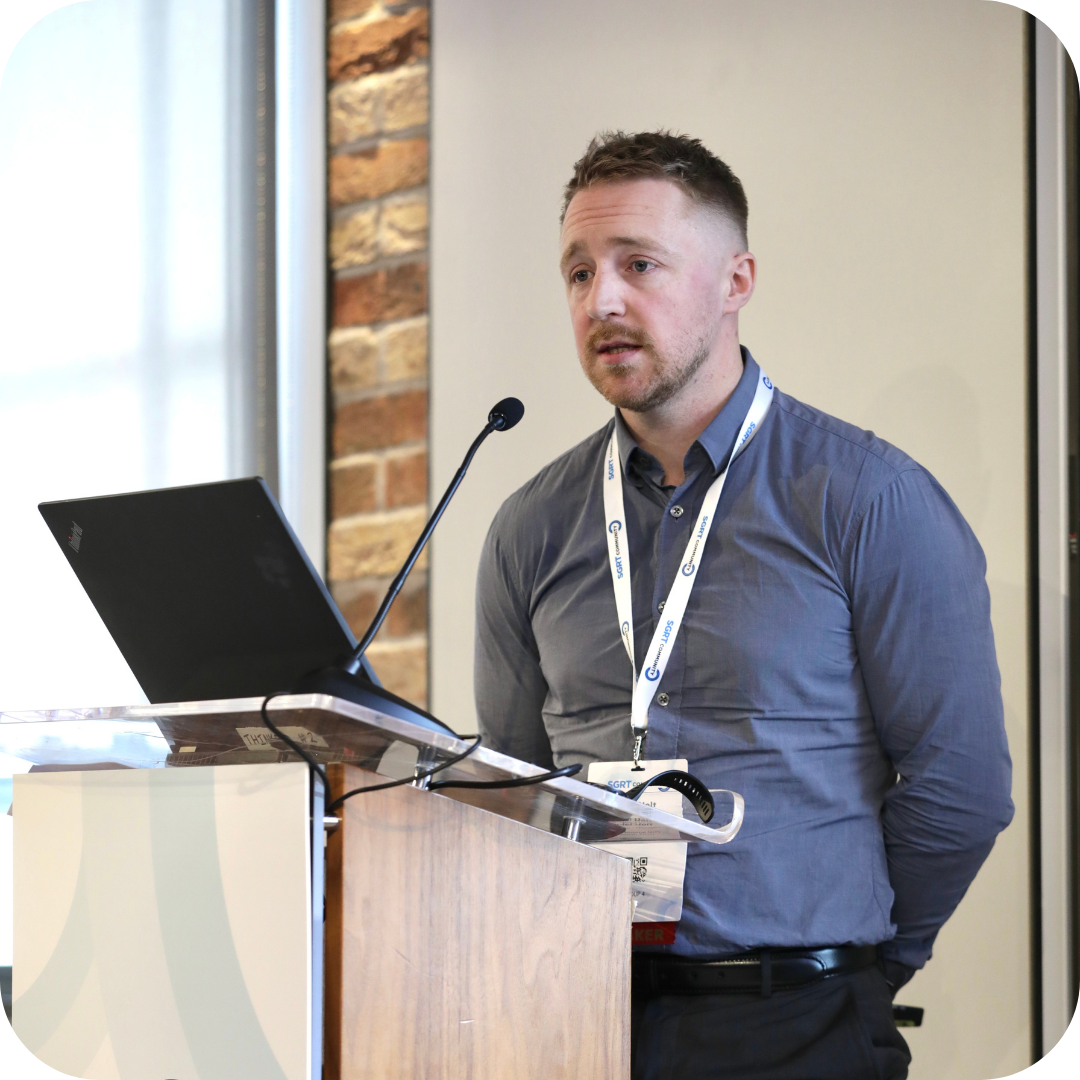
Daniel Holt presented findings comparing the use of AlignRT alone with AlignRT combined with the Postural Video module. He noted, “We can say quite confidently that we have made set-up times quicker but have not compromised on quality.”
Postural Video provides a multi-angle, real-time view of patient alignment by overlaying the reference surface outline onto a live video feed. This enhances the team’s ability to assess overall posture during both setup and monitoring.
Introducing Postural Video led to a statistically significant reduction in setup and treatment delivery times. Daniel reported that across all linacs at all sites, weekly time savings of approximately 15 hours and 45 minutes per week, equating to over 3 hours per day. These findings highlight the module’s potential to improve workflow efficiency while maintaining high treatment quality.
Intracranial SRT on Halcyon™ Without a 6DoF Couch: Clinical Evaluation of TruPose™ Head Adjuster and SGRT
Daniel Nguyen
Physicist, Orlam Group, France
Daniel Nguyen, a Physicist from the Orlam Group in France presented on his clinical evaluation of intracranial SRT on a Halcyon system.
“Our goal was to evaluate if combining SGRT, an open-face mask, and the TruPose™ Head Adjuster could achieves setup accuracy on a Halcyon system without 6DofF, that would be comparable to a TrueBeam™ with a 6DoF couch.”
Testing over 75 fractions, using different setups, he found that, “SGRT gives us a stable setup and tracking and the TruPose adjuster with its Mechanical rotational adjustment improves setup accuracy on Halcyon.


Latest Clinical Experience with DoseRT and Beam Guide
Dr. Florian Stieler, PhD
Medical Physicist, University Medical Center Mannheim, Germany
Dr. Florian Stieler presented early clinical use of Beam Guide™, a new AlignRT module that displays both the planned beam outline and the real-time beam projection directly on the patient. It provides the treatment field from the RT plan alongside the actual field based on the patient’s current position, clearly showing the impact of misalignment.
He shared several case studies demonstrating how Beam Guide™ and DoseRT are being used together in practice: “The combination of Beam Guide for treatment prediction and Dose RT for treatment verification increases the safety in radiotherapy.”
Presentation Winner
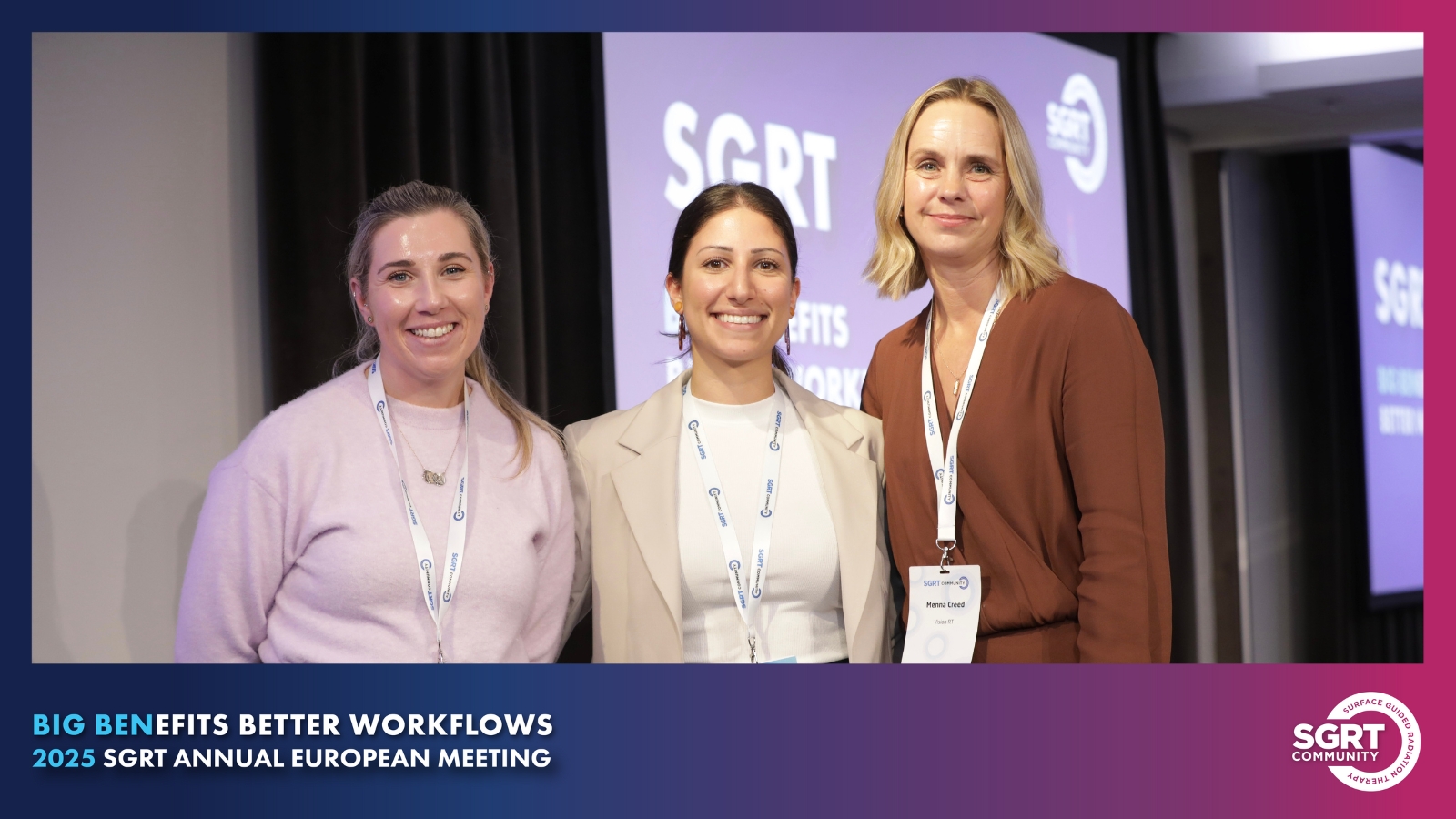
Huge congratulations to Orla McKivitt from Cork University Hospital and Crystal Sulaiman from University Hospital of Zurich — winners of the Best Presentation Award!
Both presentations showcased outstanding examples of how SGRT continues to advance treatment and elevate patient care.
Event Gallery

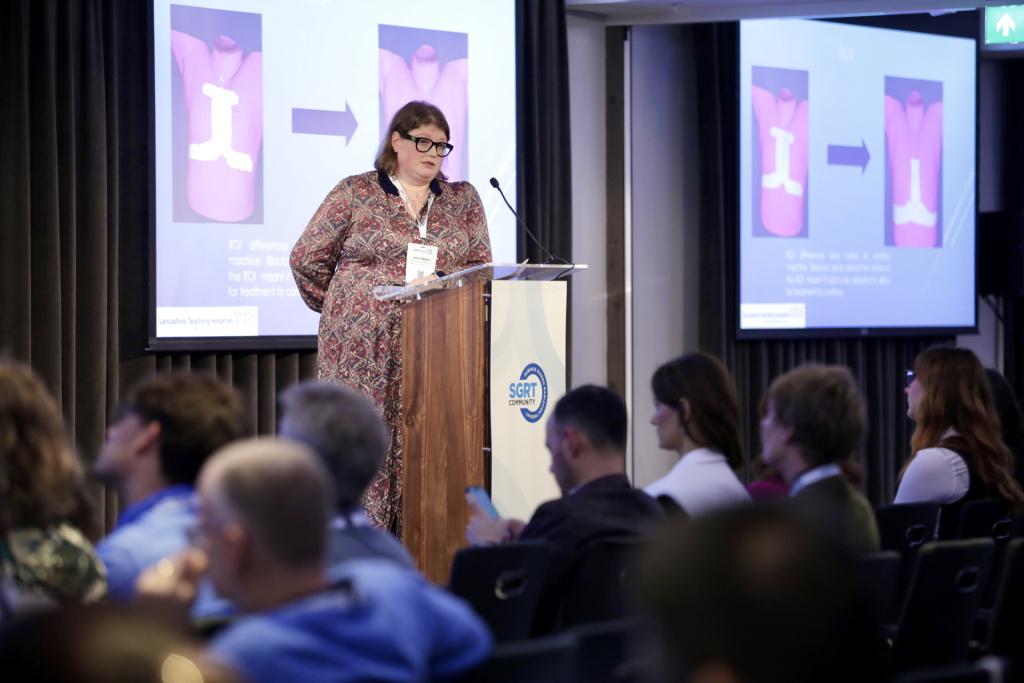
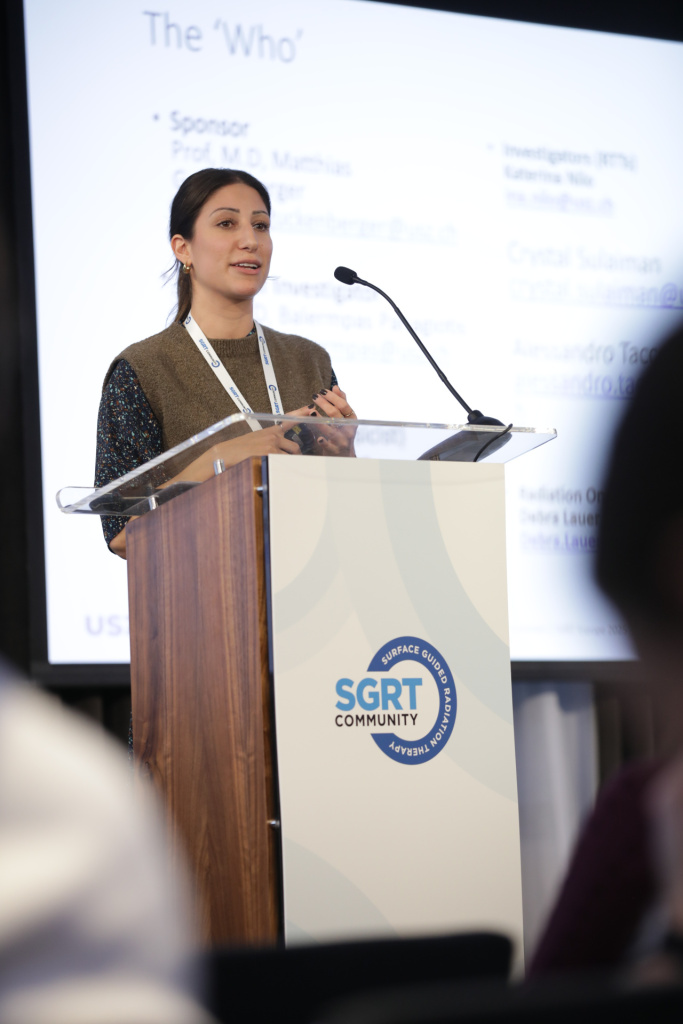
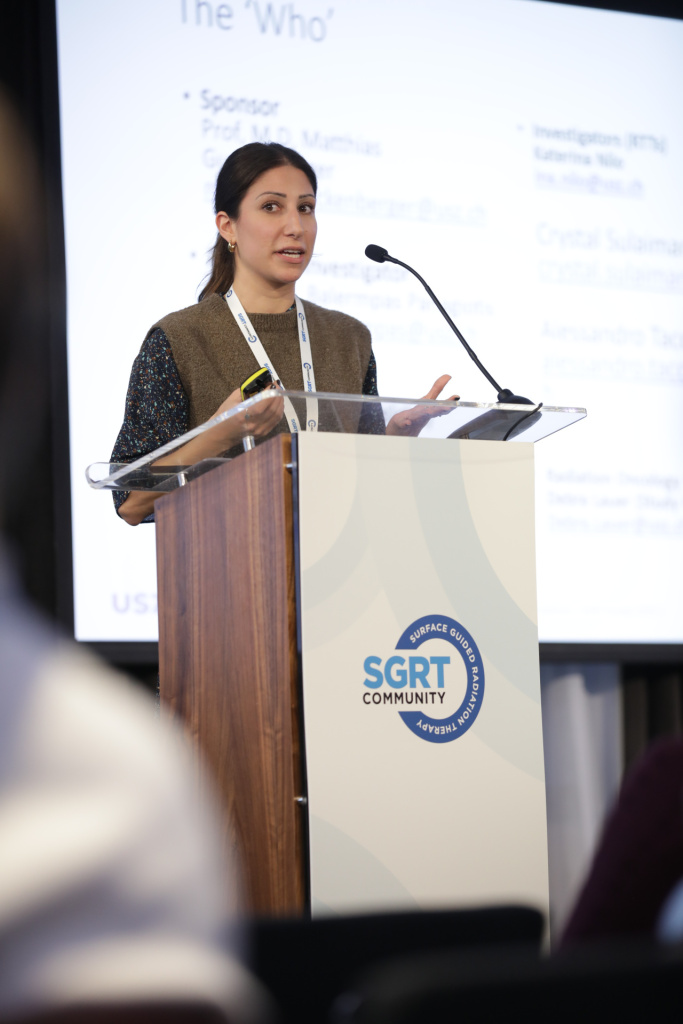
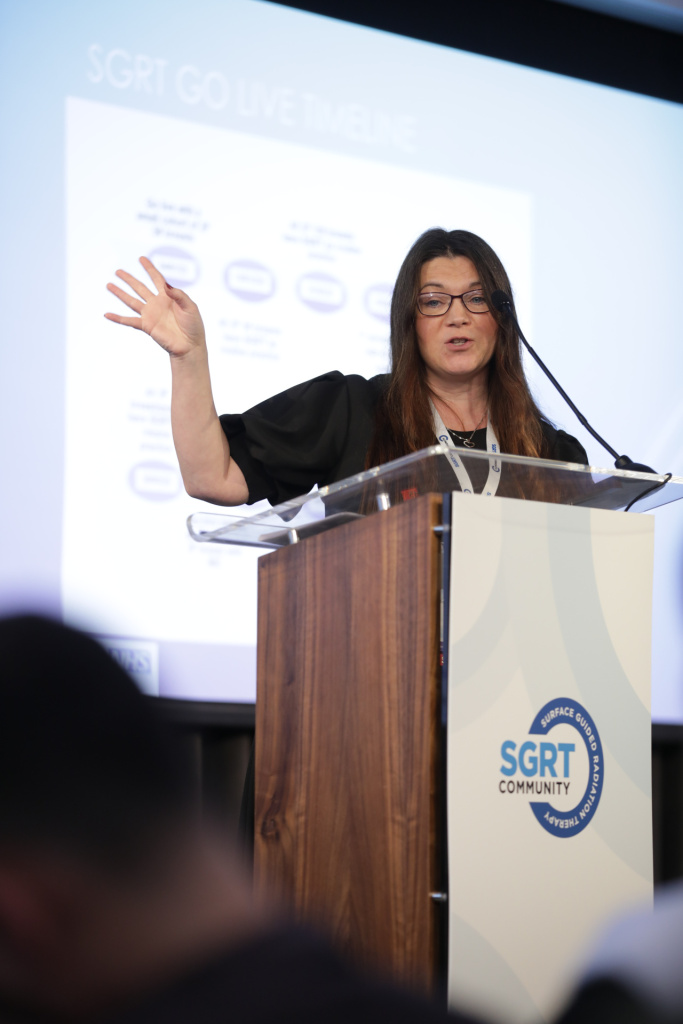

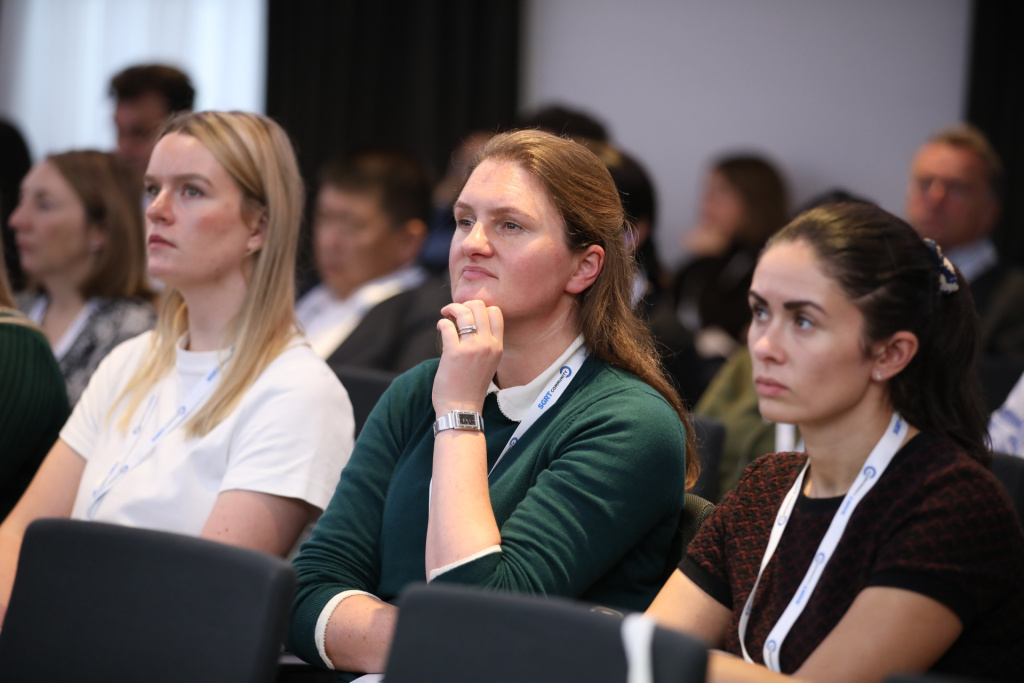
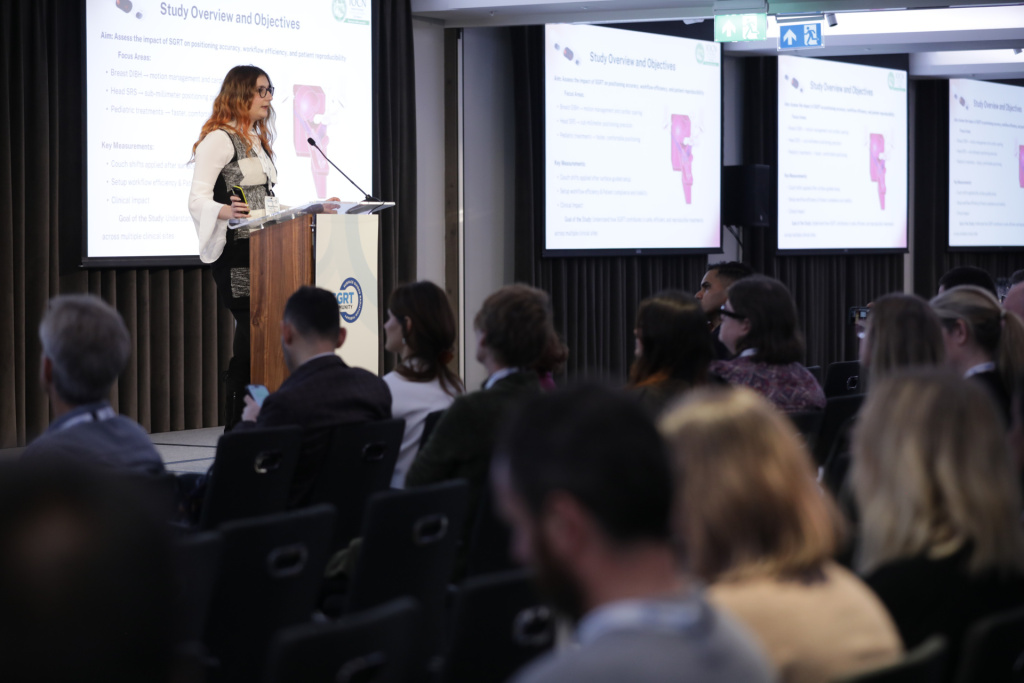
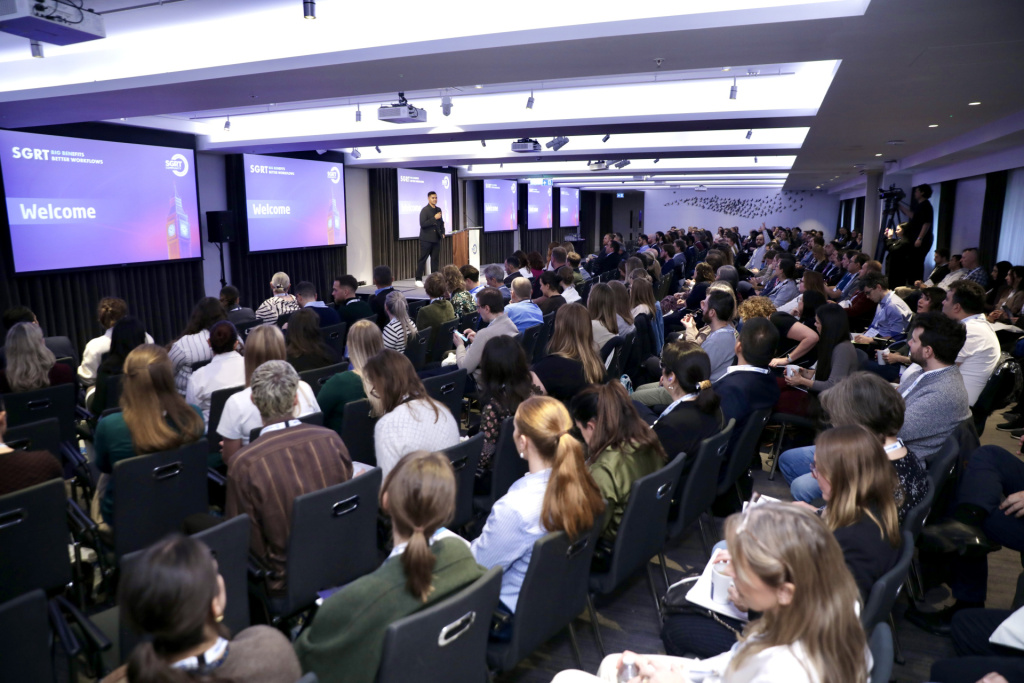







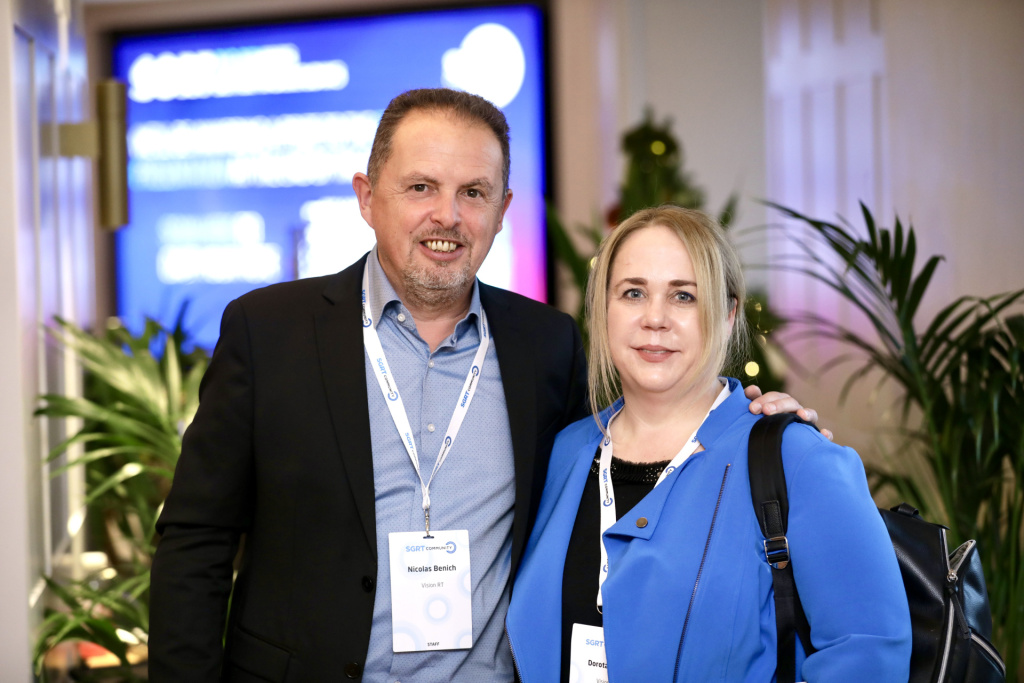

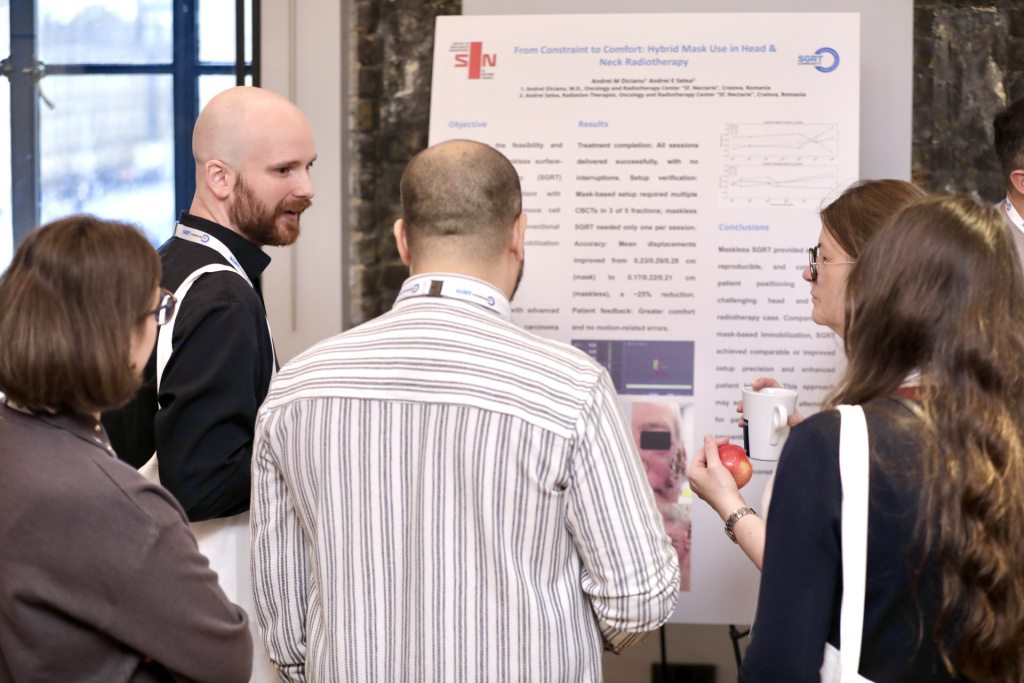

Thank you to all our speakers and poster presenters for helping create an unforgettable peer-to-peer event.
Listed below are PDF copies of presentations and posters from the 2025 Meeting of the SGRT Community.
Join us at the 2026 US SGRT Community Meeting
May 7–8, 2025 • Orlando, Florida